




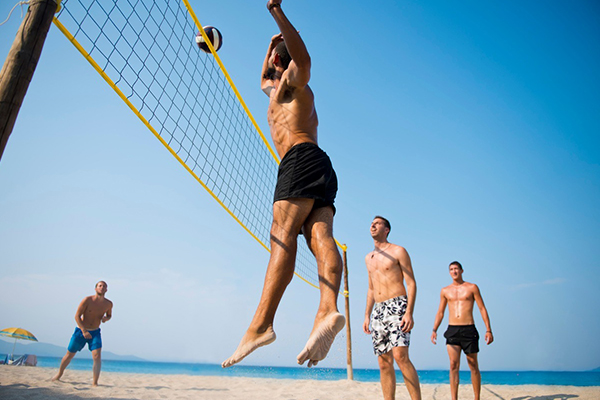
From weekend beach volleyball to running along the waterfront or competing in organized sports, Miami’s active lifestyle places significant demands on the ankles.
Sprains, tendon injuries, and cartilage damage are common among athletes and active adults. Fortunately, many of these conditions can be treated successfully without major surgery. Modern orthopedic care focuses on targeted therapies that support healing while preserving joint function. Here’s how an ankle surgeon in Miami approaches sports injuries using advanced non-surgical treatments.
Early Evaluation and Precise Diagnosis
Successful treatment begins with an accurate diagnosis. An ankle surgeon carefully evaluates symptoms, injury history, and physical exam findings to determine the source of the problem.
Imaging tools such as X-rays, MRI scans, or ultrasound may be used to assess ligament injuries, tendon damage, cartilage wear, or small fractures that may not be visible during a routine exam. Identifying the exact cause of pain allows the physician to design a targeted treatment strategy.
Advanced Bracing and Activity Modification
For many sports injuries, stabilizing the ankle is an important first step in recovery.
Custom or semi-rigid braces can help protect injured ligaments and tendons while allowing controlled movement.
Activity modification is also important during the early stages of healing. Athletes may temporarily reduce impact activities while maintaining conditioning through low-impact exercises such as cycling, swimming, or resistance training.
Targeted Physical Therapy for Strength and Stability
Physical therapy is one of the most effective tools for treating ankle injuries without surgery. A specialized rehabilitation program can help restore strength, flexibility, and joint stability.
Therapists often focus on strengthening the muscles that support the ankle, improving balance and coordination, and correcting movement patterns that may contribute to recurring injuries. These programs are particularly valuable for athletes recovering from ankle sprains or tendon inflammation.
Regenerative Injections to Support Healing
Regenerative medicine has become an important option for treating sports-related injuries. Treatments such as platelet-rich plasma (PRP) injections use concentrated growth factors from the patient’s own blood to support tissue repair.
PRP therapy may be recommended for chronic tendon injuries, ligament strains, and certain cartilage conditions. By stimulating the body’s natural healing response, regenerative treatments can help reduce symptoms and promote recovery without invasive procedures.
Minimally Invasive Procedures When Needed
If conservative treatments do not provide sufficient relief, some injuries can still be treated using minimally invasive techniques rather than traditional open surgery.
Procedures such as ankle arthroscopy allow surgeons to use small instruments and a tiny camera to address damaged cartilage, remove inflamed tissue, or repair certain ligament injuries through very small incisions. These approaches often involve less tissue disruption and shorter recovery times.
Preventing Future Ankle Injuries
Recovery from a sports injury also includes strategies to reduce the risk of recurrence.
An ankle specialist may recommend footwear adjustments, strengthening exercises, or sport-specific training techniques to protect the joint during activity.
For athletes and active individuals in Miami, maintaining ankle stability and flexibility is essential for continuing the activities they enjoy.
Expert Sports Injury Care in Miami
Sports injuries affecting the ankle should never be ignored, particularly when symptoms persist or interfere with activity. With modern orthopedic techniques, many injuries can be treated effectively without major surgery.
Consulting Dr. Pino, a qualified ankle surgeon in Miami, can help athletes receive a precise diagnosis and a personalized treatment plan designed to support healing, restore stability, and safely return them to their sport.
Frequently asked Questions
Can ankle sports injuries heal without surgery?
Yes. Many ankle injuries such as sprains, tendon inflammation, and mild ligament tears can improve with treatments like bracing, physical therapy, activity modification, and regenerative injections.
How long does it take to recover from an ankle sports injury?
Recovery time depends on the severity of the injury. Mild sprains may improve in a few weeks, while ligament or tendon injuries may require several weeks of rehabilitation and guided treatment.
What sports commonly cause ankle injuries?
Ankle injuries frequently occur in sports that involve running, jumping, or sudden direction changes, such as basketball, soccer, tennis, volleyball, and recreational running.
When should I see an ankle surgeon for a sports injury?
You should seek evaluation if ankle pain, swelling, or instability lasts more than a few weeks, worsens with activity, or makes it difficult to walk or participate in sports.
Authorship: Dr. Alejandro Pino, MD, is a board-certified orthopedic surgeon specializing in foot and ankle surgery in Miami, Florida. A Miami native, he completed his orthopedic surgery residency at the University of Miami / Jackson Memorial Hospital and advanced fellowship training in foot and ankle surgery at the Hospital for Special Surgery in New York City. Dr. Pino also serves as Associate Program Director of the orthopedic residency program at Larkin Community Hospital and is recognized for his expertise in complex foot and ankle reconstruction.
Disclaimer
The information provided on this page is intended for educational purposes only and should not be considered medical advice. Always seek the guidance of a qualified physician regarding any medical condition or treatment.